
Fiber Rich Foods for Diabetes Management
A comprehensive guide to understanding how dietary fiber supports better blood sugar control and overall wellness
The information on this site is for educational purposes only and does not constitute medical advice. Always consult a qualified healthcare professional before making health decisions.
Why Fiber Matters
Daily Fiber Target
Recommended daily intake for optimal results
Blood Sugar Impact
More effective fiber intake supports stable levels
Fiber-Rich Foods
Variety available for diverse meal planning
Natural Source
All recommendations from whole food sources
Understanding Dietary Fiber Benefits
Dietary fiber is a carbohydrate found in plant-based foods that your body cannot digest. Unlike other carbohydrates, fiber does not break down into glucose molecules, which means it does not trigger rapid blood sugar spikes. This unique property makes fiber an essential nutrient for anyone focused on maintaining stable blood sugar levels.
There are two main types of fiber: soluble fiber, which dissolves in water and slows digestion, and insoluble fiber, which adds bulk to stool and supports digestive movement. Both types work together to create a comprehensive nutritional strategy that extends beyond simple glucose control.
When you consume fiber-rich foods, you experience slower digestion, improved satiety, and more gradual nutrient absorption. This means fewer dramatic fluctuations in blood sugar levels throughout the day, reduced hunger spikes, and better overall energy stability.
Read Full Benefits Guide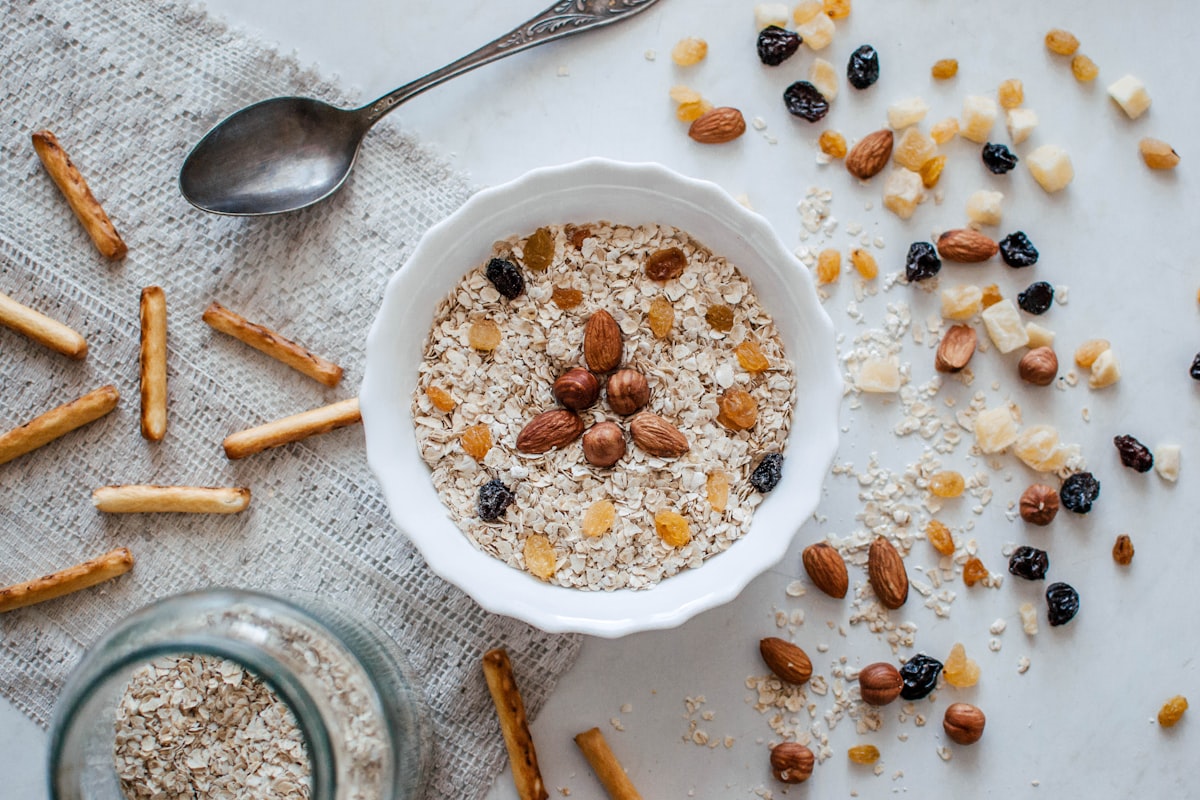
Key Features of Fiber-Rich Nutrition
Stabilizes Blood Sugar
Soluble fiber slows glucose absorption, preventing rapid spikes and maintaining consistent energy levels throughout your day without sudden drops.
Promotes Satiety
High-fiber foods take longer to digest, helping you feel fuller for extended periods and naturally reducing overall calorie intake without restriction.
Supports Heart Health
Adequate fiber intake contributes to healthy cholesterol levels and promotes overall cardiovascular function when combined with balanced nutrition.
Enhances Digestive Function
Both soluble and insoluble fiber improve gut health, promote regular digestion, and feed beneficial bacteria in your intestinal system.
Supports Mental Clarity
Stable blood sugar from adequate fiber intake helps maintain consistent mental focus and reduces energy crashes that affect cognitive performance.
Natural & Whole Foods
All our recommendations come from natural food sources with no processed ingredients, additives, or artificial components added.
Top Fiber-Rich Food Categories
Vegetables
Leafy greens, broccoli, Brussels sprouts, and root vegetables provide excellent fiber with minimal impact on blood sugar levels.
Explore vegetables →Whole Grains
Oats, barley, quinoa, and brown rice deliver sustained energy and fiber without refined carbohydrate spikes.
Explore grains →Legumes
Beans, lentils, and chickpeas are protein-rich and fiber-packed, making them ideal for stable nutrition management.
Explore legumes →Fruits
Berries, pears, and apples offer natural sweetness with substantial fiber content and beneficial antioxidants.
Explore fruits →Seeds & Nuts
Chia seeds, flaxseeds, almonds, and walnuts provide concentrated fiber plus healthy fats and minerals.
Explore seeds →Whole Food Staples
Avocados, sweet potatoes, and other unprocessed whole foods offer complete nutritional profiles with substantial fiber.
Explore staples →Steps to Incorporate More Fiber
Assess Current Intake
Begin by reviewing your current eating habits and identifying which meals contain the least fiber. This awareness is the foundation for meaningful change.
Choose Preferred Foods
Select three to five high-fiber foods you genuinely enjoy eating. Preference matters more than perfection when building sustainable eating patterns.
Increase Gradually
Add fiber to your meals slowly over several weeks. Rapid increases can cause digestive discomfort, so steady progression ensures your body adapts smoothly.
Track & Monitor
Keep notes on which foods you eat, how you feel, and any patterns you observe. This personal data helps you fine-tune your approach for optimal results.
Comparison: Fiber Types & Benefits
| Fiber Type | Best Food Sources | Key Benefits | Digestion Impact |
|---|---|---|---|
| Soluble Fiber | Oats, beans, apples, citrus fruits, barley | Slows digestion, stabilizes blood sugar, supports cholesterol health | Dissolves in water, slows nutrient absorption |
| Insoluble Fiber | Whole wheat, vegetables, wheat bran, nuts | Promotes regular digestion, adds bulk, feeds beneficial bacteria | Does not dissolve, adds volume to stool |
| Resistant Starch | Green bananas, cooked and cooled rice, legumes | Acts like soluble fiber, supports metabolic function | Resistant to digestion, provides gut benefits |
Common Questions About Fiber and Nutrition
Most adults benefit from consuming 25-35 grams of fiber daily, though individual needs vary based on age, activity level, and overall health. Start with your current intake and increase gradually by 5-10 grams per week. This steady approach allows your digestive system to adapt comfortably without discomfort.
While fiber supplements can help, whole foods are far superior because they contain fiber alongside vitamins, minerals, and beneficial plant compounds. Food-based fiber also promotes better satiety and provides more complete nutrition. Think of supplements as occasional support, not your primary fiber source.
Yes, fiber slows glucose absorption within a single meal, creating a more gradual blood sugar response. However, the long-term benefits of consistent fiber intake—improved insulin sensitivity and overall metabolic function—develop over weeks and months. Start observing patterns within days, but expect deeper benefits as you maintain the habit.
Add vegetables to breakfast omelets, switch to whole grain bread for sandwiches, include legumes in salads and soups, snack on nuts and seeds, and choose brown rice or quinoa over white rice. Small additions to familiar meals make change feel natural and sustainable rather than restrictive.
Most high-fiber foods are beneficial. However, be mindful of dried fruits and certain smoothies that may contain concentrated sugars despite their fiber content. Focus on whole, unprocessed foods and read labels to understand added ingredients. When in doubt, choose foods with recognizable components.
Nutritious Fiber-Rich Recipe Ideas

Mediterranean Lentil Salad
Combine cooked lentils with cucumbers, tomatoes, red onion, and fresh herbs. Dress with olive oil and lemon juice for a fiber-packed meal that balances protein and nutrients.
Learn more →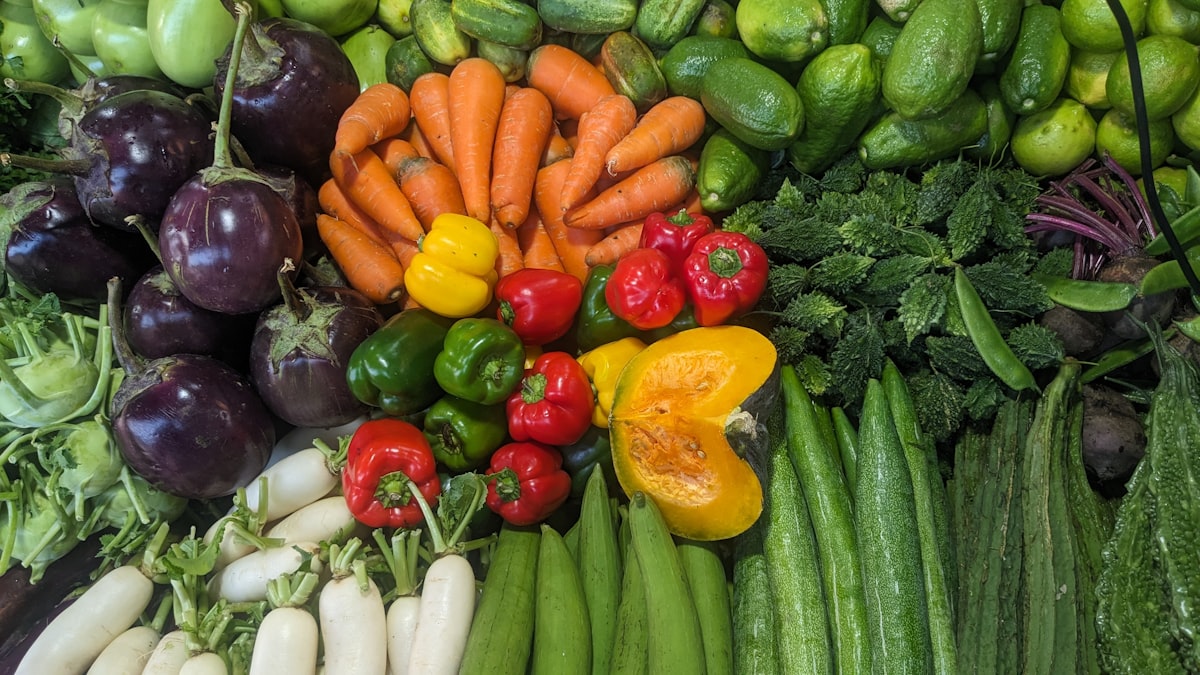
Roasted Vegetable Quinoa Bowl
Roast broccoli, bell peppers, and zucchini, then serve over fluffy quinoa with tahini dressing for complete amino acids and substantial fiber content.
Learn more →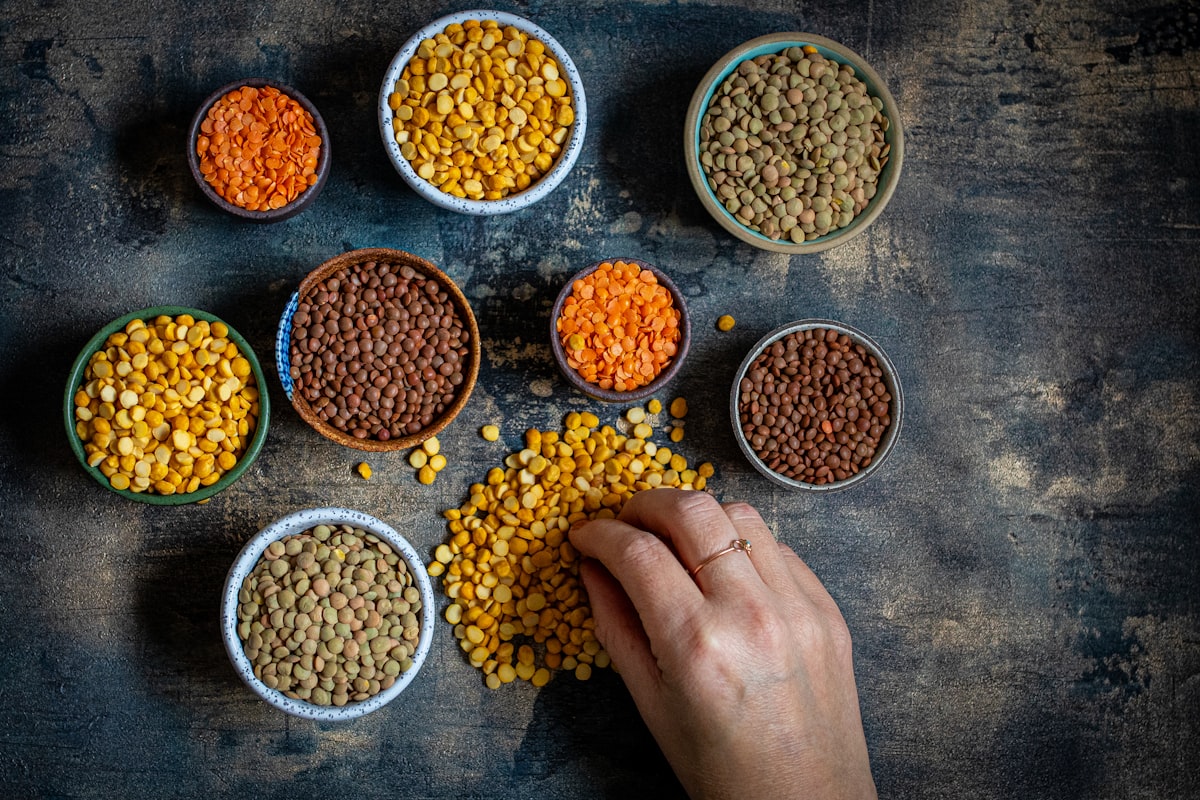
Overnight Oats with Berries
Mix rolled oats with unsweetened milk, chia seeds, and fresh berries. Prepare the night before for a convenient breakfast that starts your day with stable nutrition.
Learn more →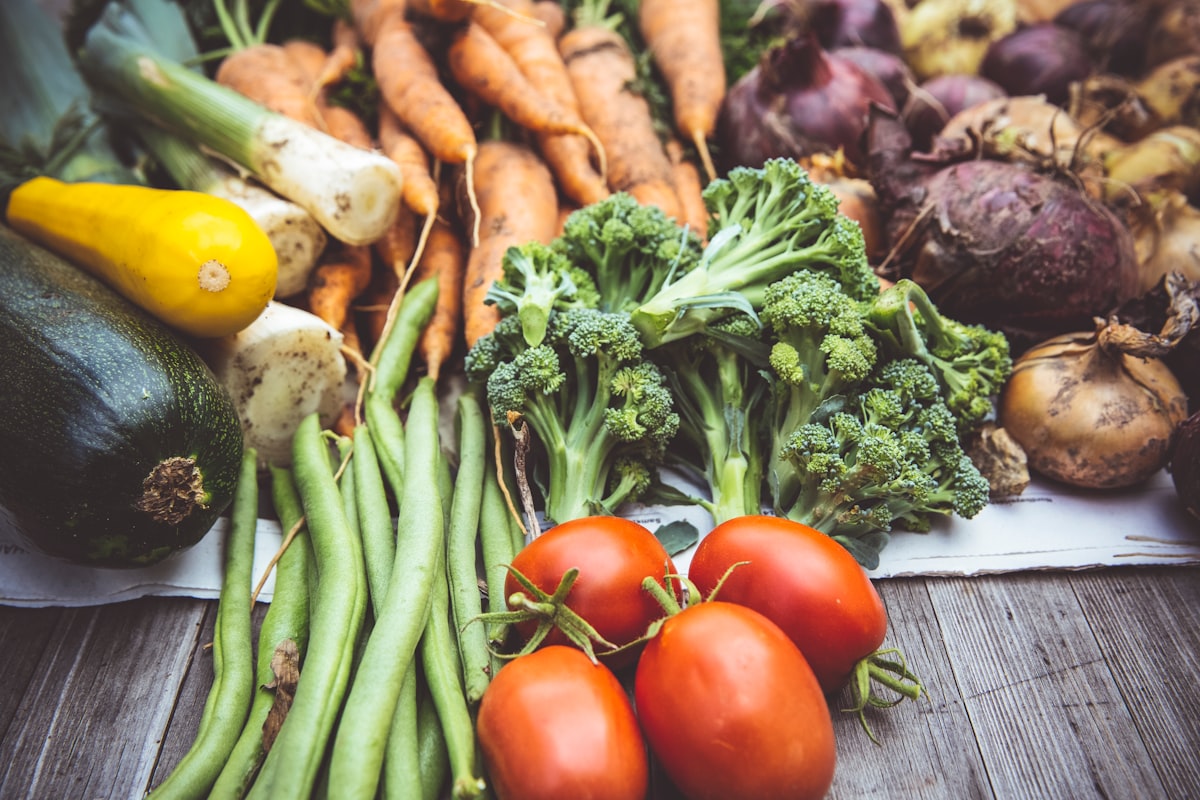
Black Bean Vegetable Soup
Simmer black beans with spinach, celery, carrots, and tomatoes in vegetable broth for a warming meal packed with soluble and insoluble fiber.
Learn more →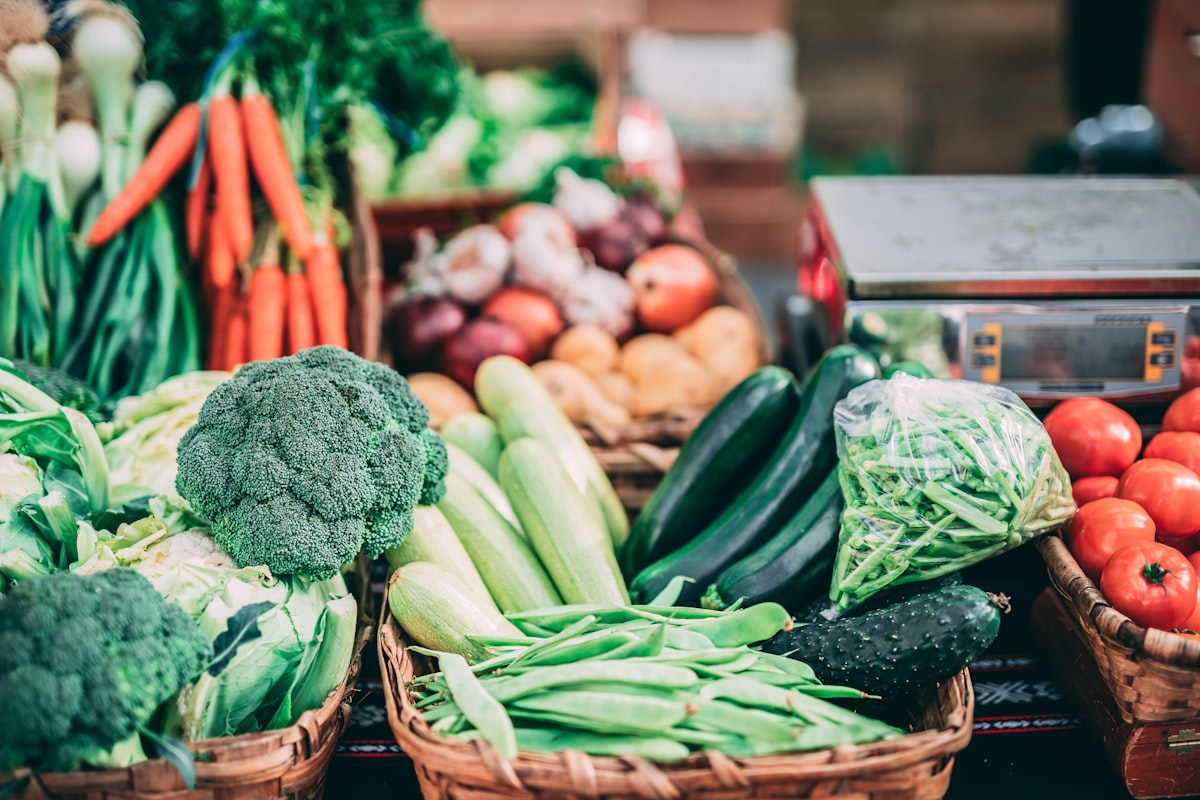
Whole Grain Avocado Toast
Spread ripe avocado on whole grain toast and top with pumpkin seeds, cherry tomatoes, and fresh herbs for a quick, satisfying snack or light meal.
Learn more →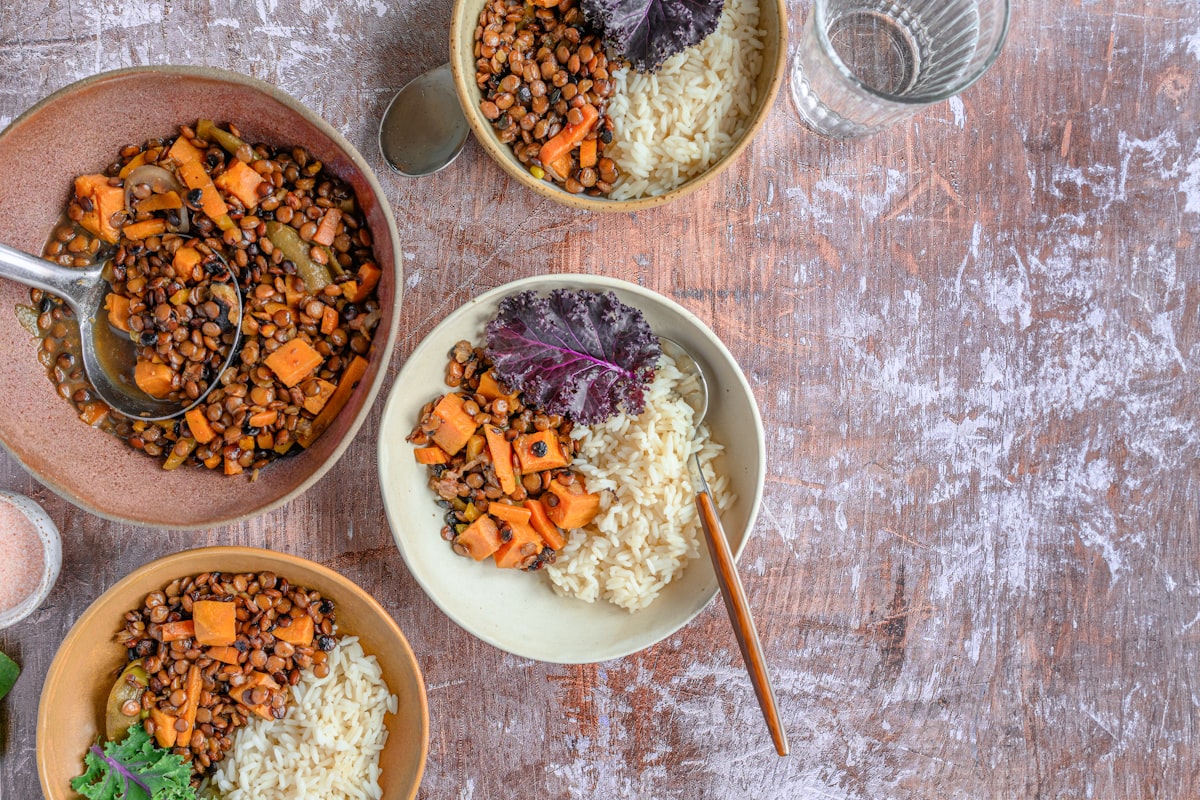
Chickpea and Spinach Curry
Combine cooked chickpeas with spinach, tomatoes, and aromatic spices served over brown rice for a flavorful dish that keeps blood sugar stable.
Learn more →What Our Users Say
"This guide completely transformed my approach to managing blood sugar. The recipes are delicious and easy to follow!"
Maria T.
Verified User
"I've seen remarkable improvements in my blood sugar levels since following these guidelines. Highly recommended!"
James R.
Verified User
"The educational content is thorough and the meal plans are practical for busy lifestyles. Love it!"
Sandra M.
Verified User
Frequently Asked Questions
Are these recipes suitable for all blood sugar levels?
Yes, our recipes are designed to support healthy blood sugar management for everyone. However, always consult with your healthcare provider for personalized dietary advice.
Can I modify the recipes?
Absolutely! Our recipes are flexible. Feel free to substitute ingredients based on your preferences and dietary restrictions while maintaining the nutritional balance.
How often should I follow these meal plans?
These guidelines are designed for daily use. Consistency is key to maintaining stable blood sugar levels and seeing long-term health improvements.
Are there vegan or gluten-free options?
Yes! We offer a variety of recipes to accommodate different dietary needs including vegan, gluten-free, and other restrictions. Browse our full collection to find options that suit you.
Ready to Take Control of Your Blood Sugar?
Explore our complete collection of recipes, tips, and guidance designed to help you manage your blood sugar effectively.
Explore All Recipes